Empowering Survivors: Navigating the Landscape of Cancer Care and Wellness
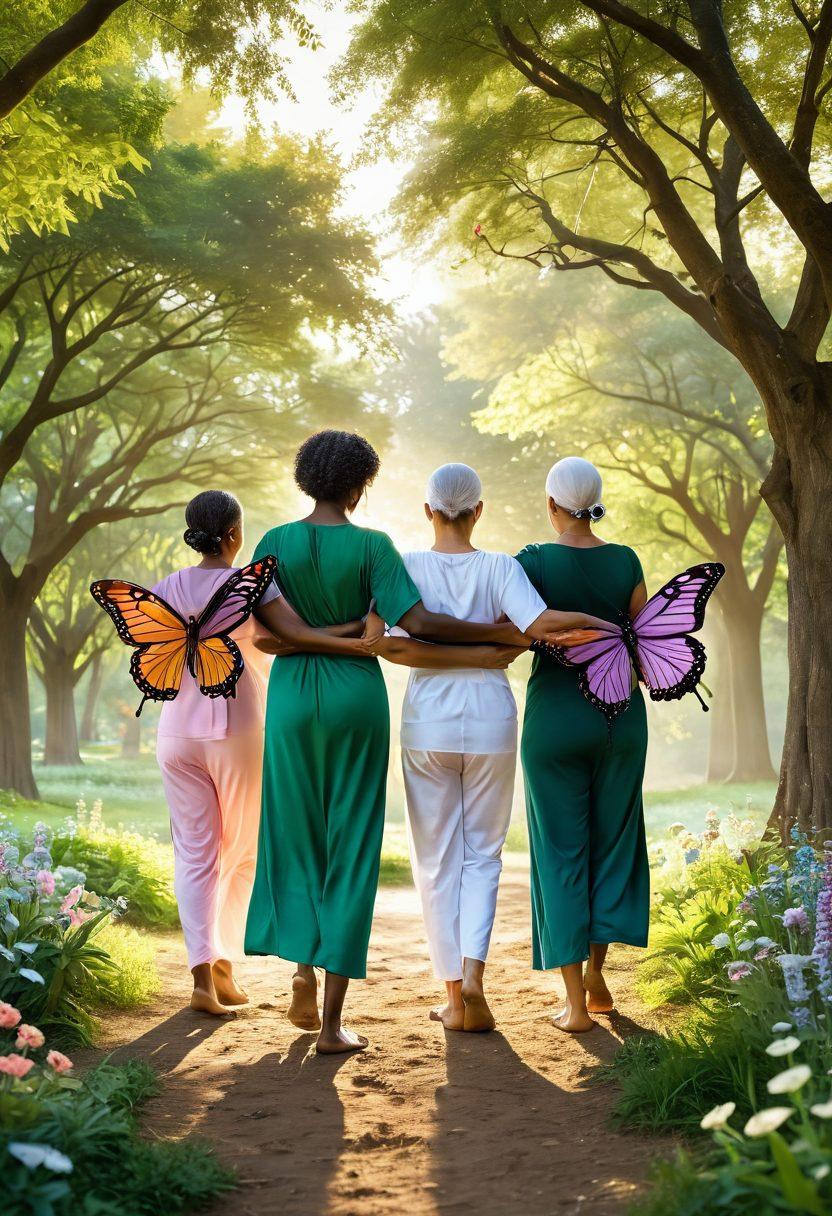
In the wake of a carcinoma diagnosis, lives are irrevocably changed; it’s a battle that not only shakes the core of physical health but also challenges emotional and psychological resilience. Every year, countless individuals step beyond the confines of their diagnosis, embracing their journey with hope and empowerment. These survivorship narratives are not merely stories; they are powerful testaments to the strength found in vulnerability, the triumph of spirit, and the profound lessons learned along the way. How do these voices echo in the larger landscape of oncological health, and what can we learn from their experiences?
Imagine standing on the precipice of uncertainty, hearing the words 'you have cancer.' Now, contrast that anguish with the voices of survivors who have walked that road, who now share their journeys illuminated by the light of resilience. Through therapeutic options and emerging treatment pathways often discussed in healthcare blogs and medical education, the narratives of survivors reveal the critical intersection of personal experience and research advancements. They are evidence of the incredible progress being made in cancer studies and clinical trials, where each story adds depth to the understanding of what it means to navigate life with cancer. What if we listened more closely to these stories? What insights could we draw for future generations?
The power of storytelling is behind patient advocacy, which rallies for those burdened by carcinoma and elevates the importance of accessibility to wellness resources and support groups. It's vital to shine a light on cancer awareness campaigns, ensuring that patients know they are not alone. Whether it’s through alternative therapies known to alleviate symptoms or holistic health practices that encourage overall well-being, the voices of survivors provide actionable pathways for those currently in treatment. Perhaps the most poignant quote comes from a survivor who said, 'cancer may be part of my story, but it does not define me.' How can we, too, redefine our narratives amidst adversities?
Survivorship narratives also bring to light the realities of symptom management, palliative care, and cancer prevention. They initiate important conversations around cancer policy and patient-focused care, emphasizing the need for a supportive framework that empowers every individual's voice. Each story underscores not only the struggles faced but also the victories won—how survivors have learned to thrive post-diagnosis, advocating for their health while navigating the intricate maze of oncological healthcare. Can we imagine a future where every survivor’s story influences policy-making and healthcare delivery?
As we delve deeper into these invaluable survivorship narratives, we uncover a tapestry woven with threads of hope, resilience, and transformation. From the lessons shared in community support groups to the innovative research shaping cancer treatments, these voices remind us that the journey through carcinoma, while challenging, can lead to personal growth and enlightenment. It is essential for both healthcare providers and fellow patients to tap into these insights, fostering a culture where sharing experiences enriches knowledge and community. In this ever-evolving landscape of oncology insights, how will your story be told? What legacy will you create in the fight against cancer?
Navigating Oncological Health: A Guide to Support Groups and Alternative Therapies
Navigating the world of oncological health can often feel like embarking on a treacherous journey through an uncharted wilderness. Imagine standing at the edge of a dense forest, with looming trees of uncertainty and thick underbrush of fear. Yet, within this wilderness, there lies the promise of healing—a world filled with support groups and alternative therapies. The goal? To empower cancer survivors and thrivers with the resources not only to survive but to thrive beyond their diagnosis. Join me as we explore the myriad pathways available to those navigating their own cancer story, with insights drawn from patient advocacy, holistic health practices, and recent cancer studies.
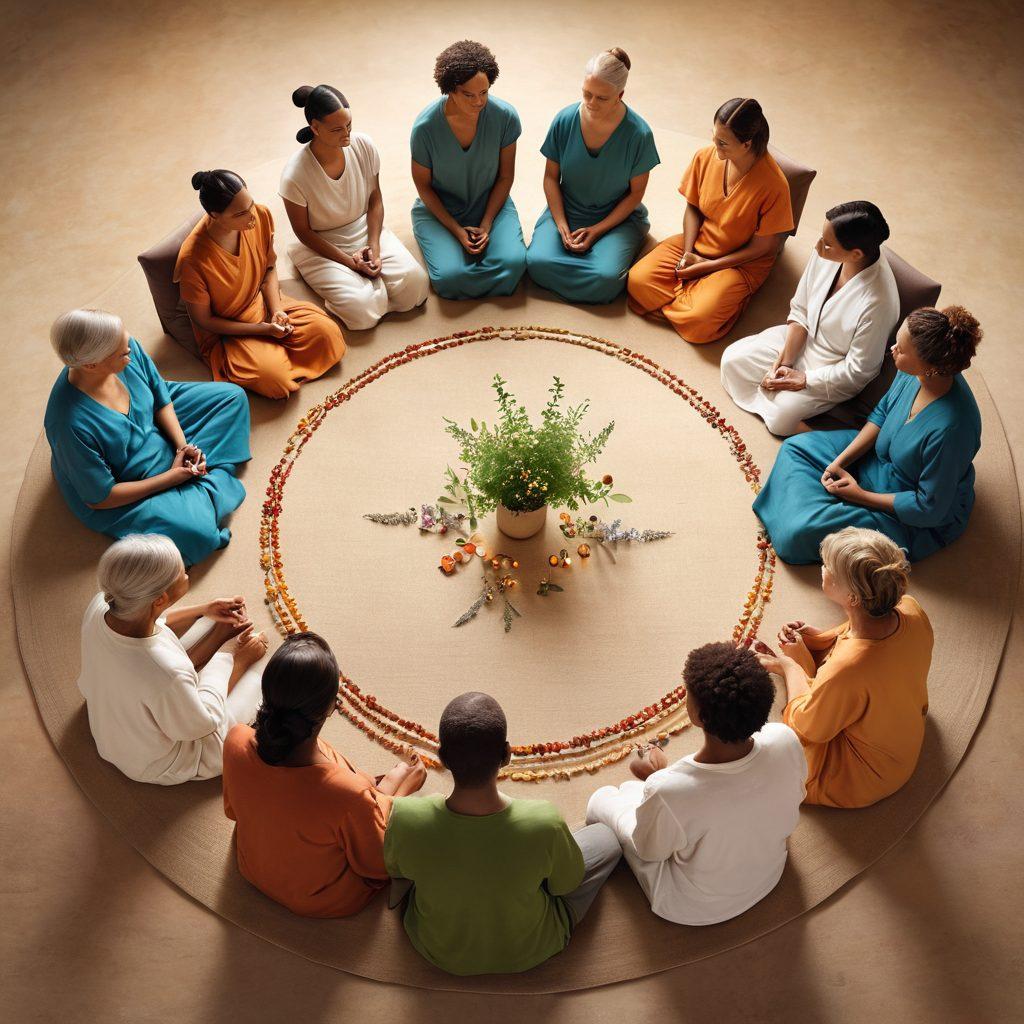
Have you ever felt isolated in your fight against carcinoma, wondering whether anyone truly understands what you are going through? You're definitely not alone. The emotional and psychological impacts of cancer can be profound, leaving many feeling like they’re traversing an alien landscape. That’s where support groups come in. These inclusive communities act as a lifeline, offering a safe space to share experiences, coping strategies, and valuable insights into symptom management and wellness resources. Just imagine sharing your struggles with someone who truly gets it—a fellow survivor who has walked a similar path. As the saying goes, 'A problem shared is a problem halved.'
In the realm of healthcare blogs, discussions surrounding alternative therapies are increasing in volume and importance. Have you ever considered how acupuncture, yoga, or even meditation could help augment traditional treatment plans? With oncology insights continuously evolving, many hospitals now incorporate palliative care and holistic health strategies within their cancer management protocols. Integrating these therapeutic options can enhance the quality of life for patients undergoing strenuous treatments. The marriage of traditional and alternative medicines embodies what many cancer awareness campaigns promote: empowerment and balance in the healing journey.
Ever experienced that moment of clarity when a research advancement shines new light on a daunting diagnosis? Clinical trials are one such avenue where hope thrives. These clinical studies not only pave the way for research advancements in oncology but also provide participants with potential new therapies that are still under investigation. By participating, survivors are not only advocating for themselves, but they are also contributing to a greater cause—pushing the limits of what we know in oncological health and potentially paving the way for future generations. Every participation can help shift cancer policy and ultimately make strides toward cancer prevention and effective treatments.
As we close this exploration of support groups and alternative therapies, remember: navigating this landscape is not just about survival. It’s about reclaiming your narrative and thriving in your unique story. Survivorship narratives hold immense power; they remind us that each person’s journey with cancer is distinct yet connected. Whether you engage in a bustling support group or integrate alternative therapies into your daily routine, the goal remains the same: to foster wellness, hope, and resilience. What will your next step be in this empowered journey? Let's turn our insights and experiences into action as we advocate for a healthier future, one story at a time.
From Clinical Trials to Palliative Care: Exploring Therapeutic Options for Survivors
Navigating the intricate landscape of cancer care can be an overwhelming journey for many survivors. From the moment of diagnosis, every decision can feel monumental, with various therapeutic options waiting just beyond the horizon. As we delve into the world of clinical trials and palliative care, we find that empowerment and education are crucial in shaping survivorship narratives. One survivor once poignantly said, 'Cancer is just a chapter in my life story; it won't define my book.' So how can we help others write their own stories while understanding the landscape of oncological health?
Clinical trials have emerged as a beacon of hope, offering innovative treatments and alternative therapies to patients battling carcinoma. These studies are essential to advancing cancer research, yet the road to participating in a clinical trial can be fraught with uncertainty. Questions often swirl: Am I eligible? Is it safe? What will my quality of life look like? As we explore cancer studies and research advancements, it’s imperative to educate survivors and their support groups about how to navigate these options effectively. Engaging in conversations around the benefits and risks can empower patients to advocate for themselves and others during their wellness journey.
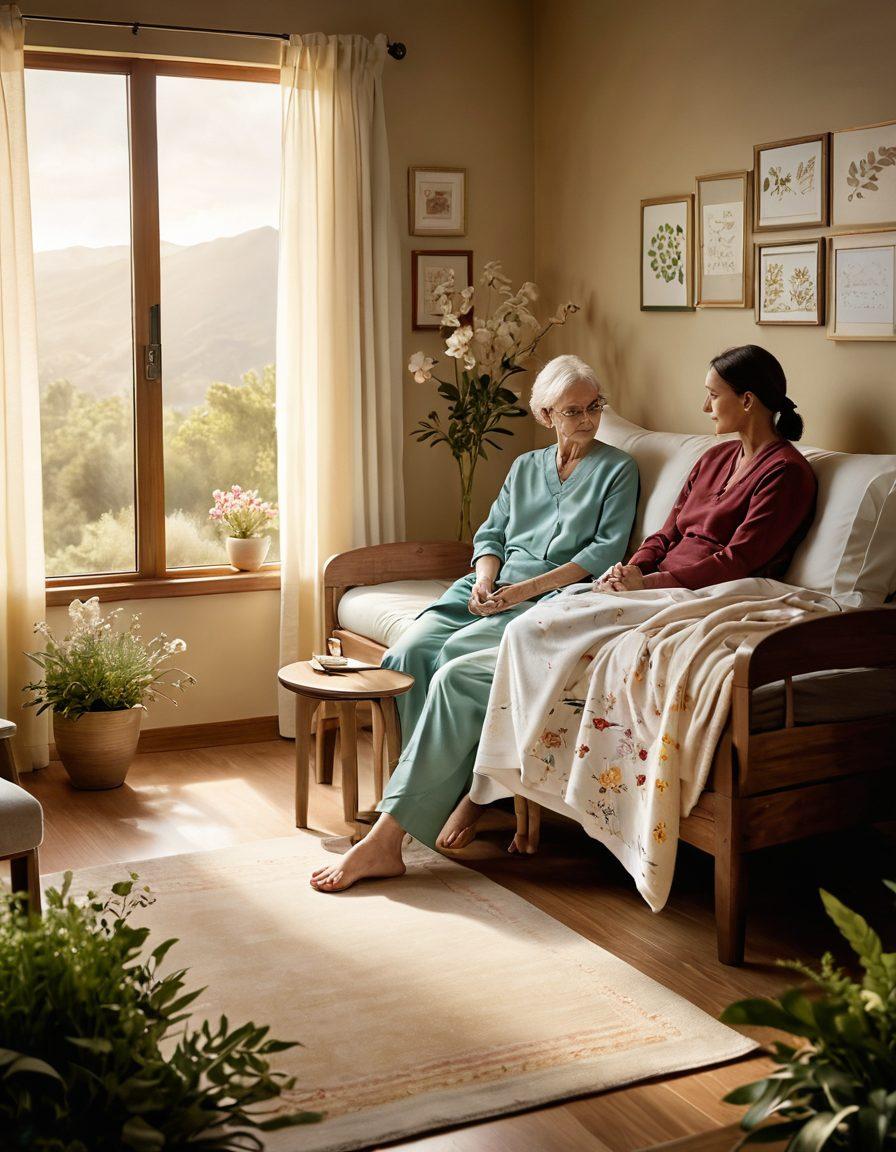
Yet, the horizon of cancer care extends beyond clinical trials; palliative care plays a critical role in enhancing quality of life during and after treatment. Many still associate palliative care solely with end-of-life scenarios, but the truth is far broader and more nuanced. Holistic health principles inform palliative care practices that encompass not just physical health, but emotional and spiritual well-being. How do we shift the public perception and underscore the importance of symptom management at any stage of treatment?
Cancer awareness campaigns can illuminate the importance of combining traditional care with holistic approaches to wellness. These campaigns not only educate the public but also serve to foster an environment of community support. Survivorship narratives shared through healthcare blogs provide relatable content that underscores the notion of patient advocacy. When warriors of oncology insights unite, they transform individual stories into collective knowledge, ultimately informing the healthcare policy that shapes our systems today. We must ask ourselves, are we doing enough to highlight these essential conversations?
As we venture forward, it’s paramount to explore the integration of wellness resources and alternative therapies that can complement conventional treatment. Survivors are more than just statistics; they are individuals seeking ways to maintain a fulfilling quality of life. Their experiences offer valuable insights that can drive change. By merging traditional oncology with complementary therapies, patients can embark on personalized health journeys that celebrate life beyond survival. How can we encourage more people to share their stories and promote such integrative approaches to wellness? The journey is complex, but every step taken is a success toward a future where survivorship is celebrated, and every voice is heard.